

Working Class Love Notes #18: A Time of Monsters
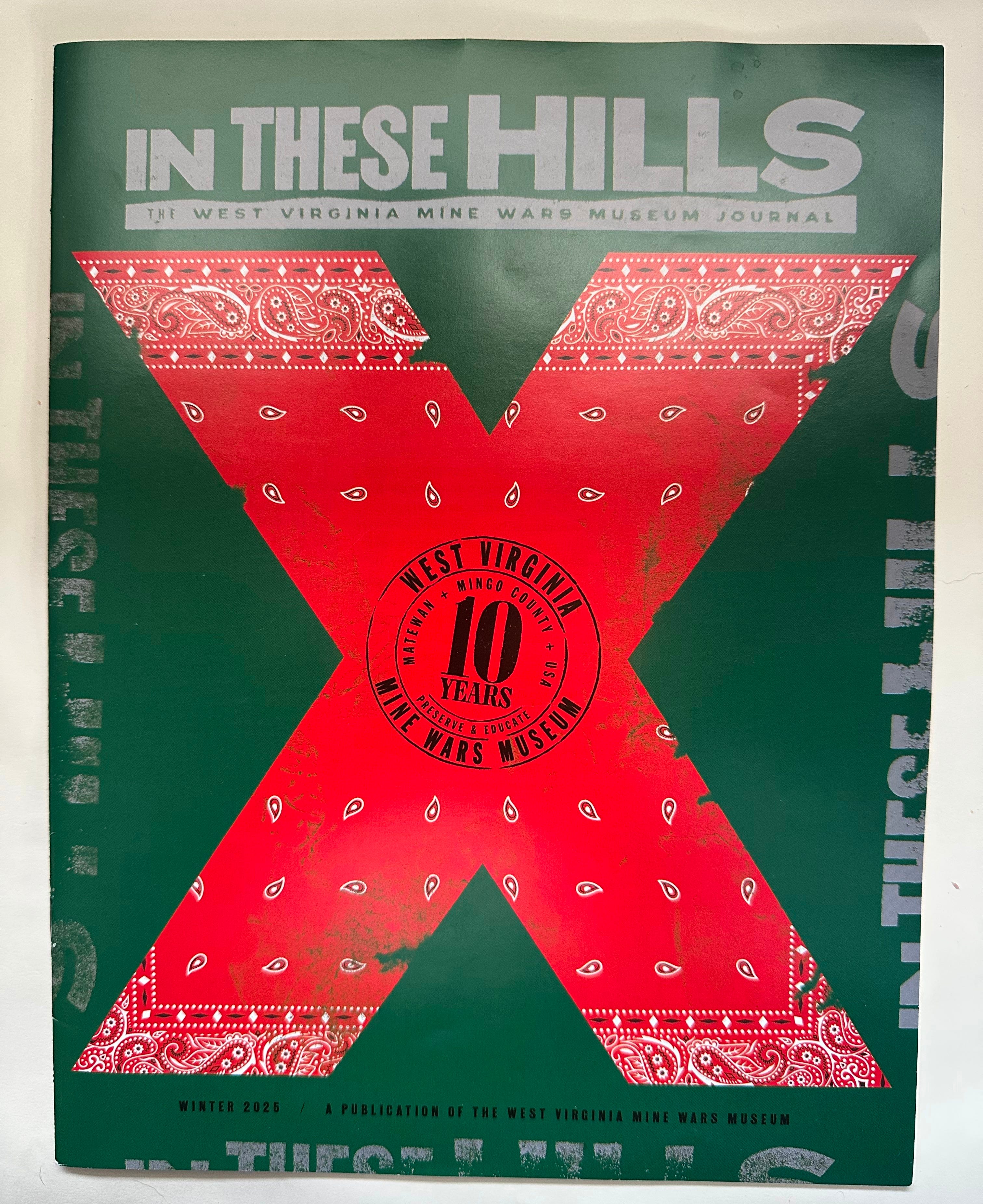
An article from the West Virginia Mine Wars Museum Journal "In These Hills"

Dear friends,
I hope y’all are hanging in. As they say, the horrors persist and so do we. Part of that persisting for me is finding joy in art, my people, and my forthcoming book and tour kicking off on April 21st. What about you? I hope you’re finding joy, too.
This month’s newsletter is a love note to the West Virginia Mine Wars Museum. If not for these folks, I’m not sure how much any of us would know about our own history, the story of the “Redneck Army”, and the Battle of Blair Mountain.
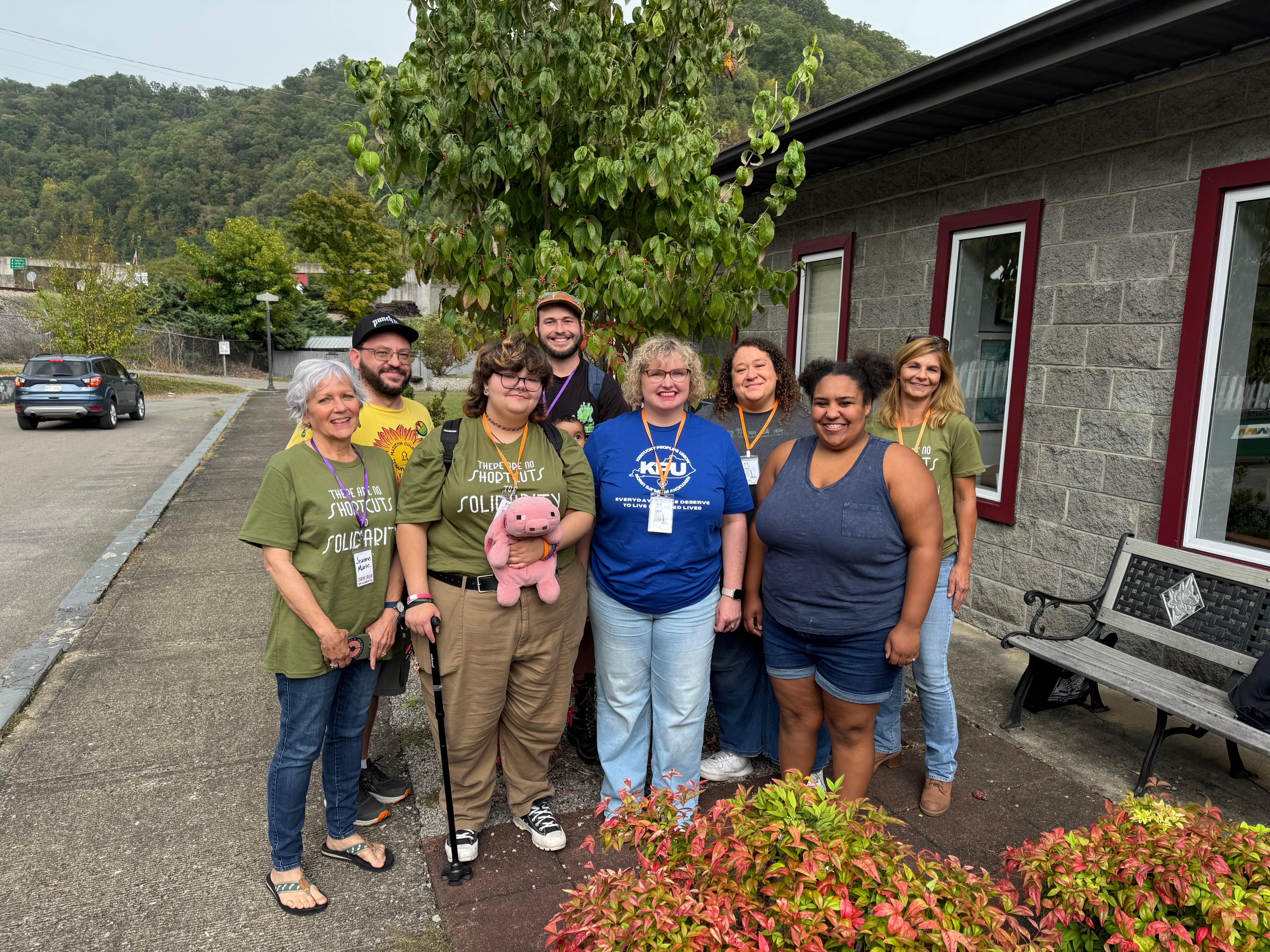
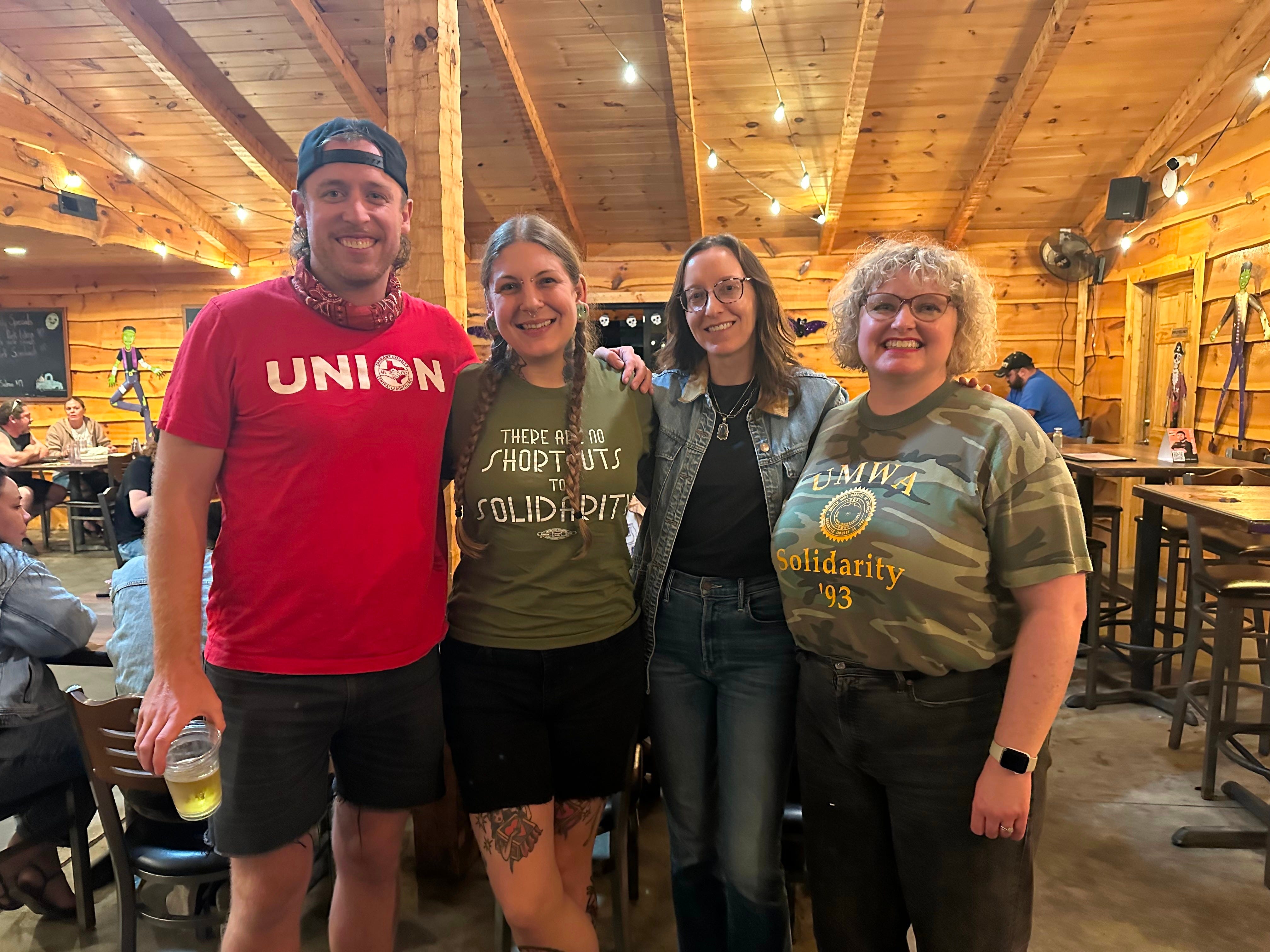
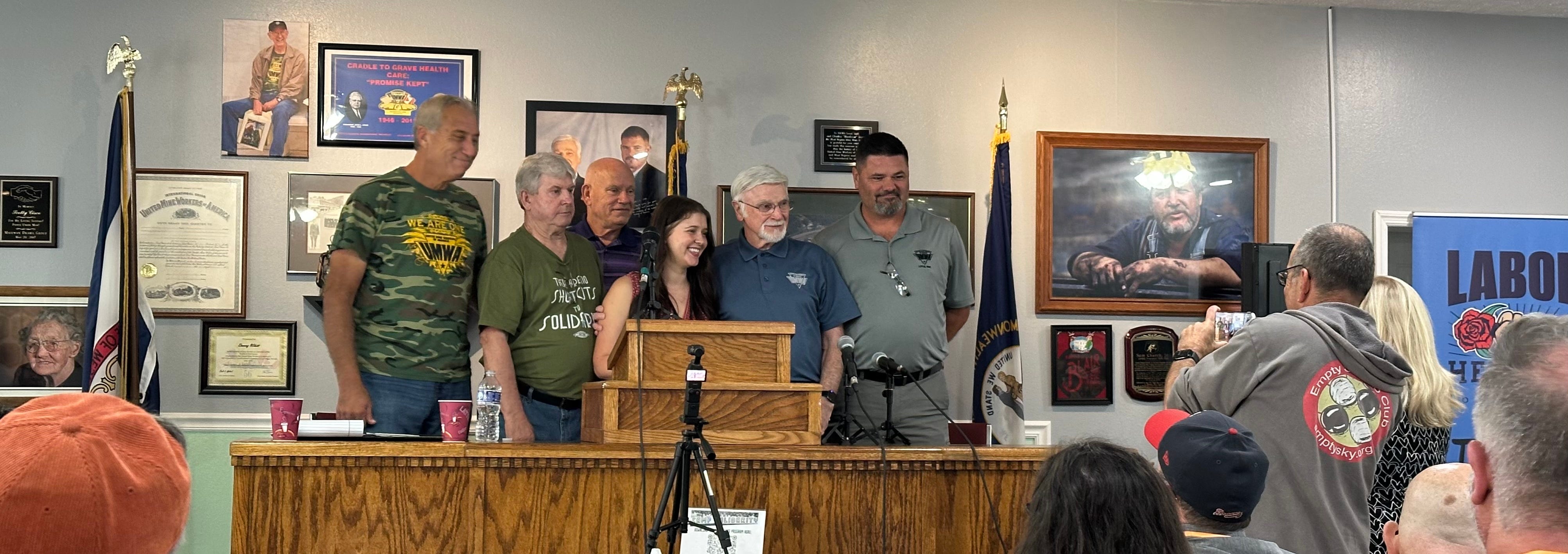
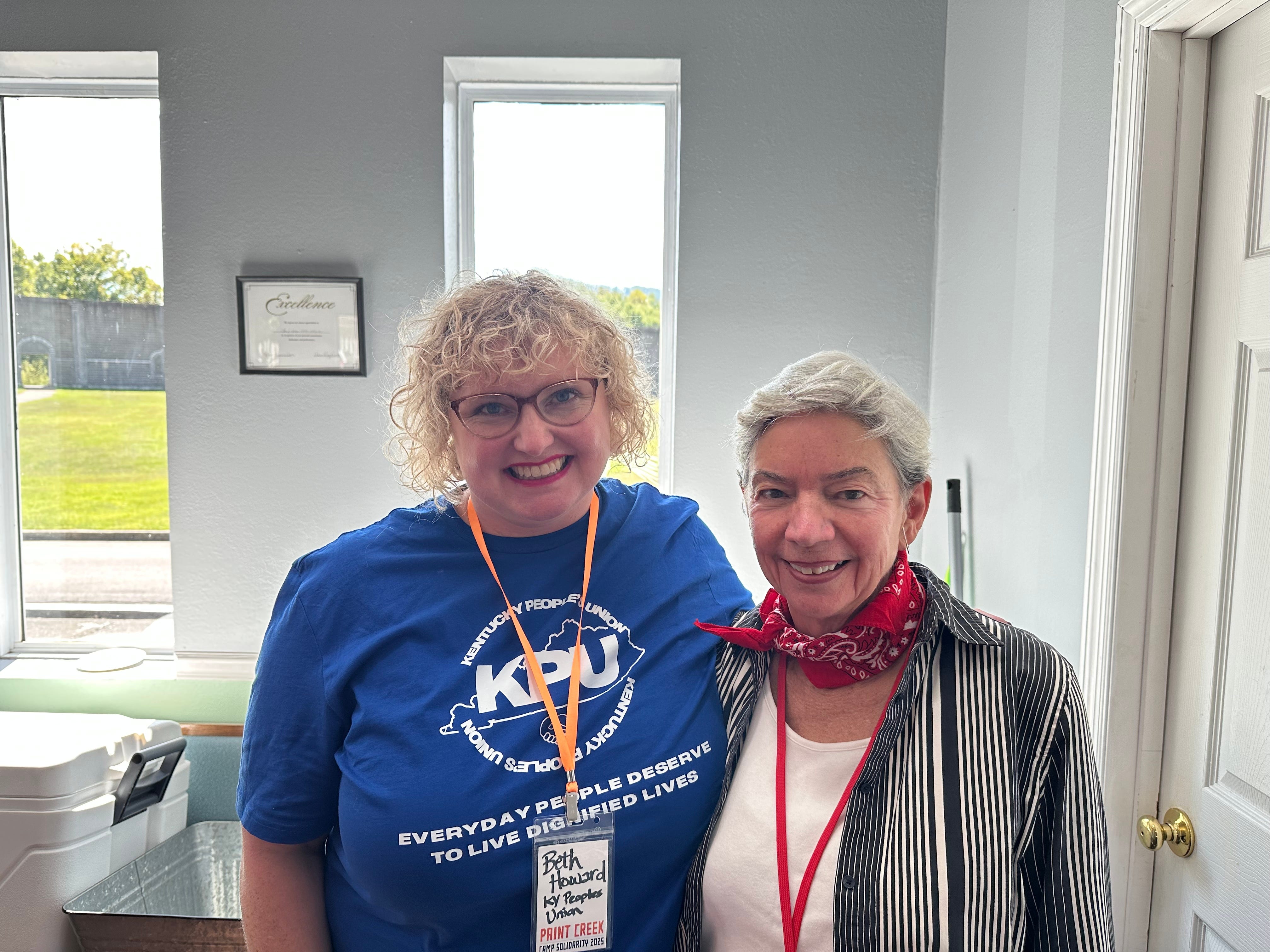
This past September I got to attend the second Camp Solidarity in Matewan, WV — a three day labor conference — and that visit came right when I needed it most. Those of us in attendance joked that it felt like Vacation Bible School. We got to hang out with our friends, take workshops, and feel spiritually renewed. For me, going to Matewan is as close to a holy pilgrimage than anywhere else I can think of and being there with my people in a place so sacred restored my spirit.
I was asked to write an essay for the Winter 2026 edition of the museum’s journal In These Hills. Writing for the journal has been a dream of mine since becoming a member years ago. With permission, I’m publishing the essay here in my newsletter, but please become a member and you’ll get access to the exclusive members-only journal which is gorgeous and includes so much powerful history and writing.
I also hope you become a member of the museum where you get the journal mailed to your home, get access to an online members portal, and so many other perks. The special CoffeeTree Books pre-order package for Song For a Hard-Hit People includes an opt-in to the museum membership which I hope you sign up for. I’m a proud card carrying member — yes, you get a membership card — and I hope you join, too. Their work deserves all of our support.
Below you will find the article “A Time of Monsters” from the West Virginia Mine Wars Museum’s journal In These Hills sprinkled with photos from Camp Solidarity 2025. I hope you enjoy it.
A Time of Monsters: An Essay from In These Hills
Growing up in Appalachia, I loved hearing tales of haints who haunted our hills and hollers, especially the restless spirits who roamed around our family cemetery. The way people could nail the pacing of a good story, choose the perfect sensory details, and build suspense was masterful. After every story, I’d be in bed at night with the covers pulled over my head praying that I didn’t feel the hand of a revenant creeping up behind me and that the creaking of our old farmhouse wasn’t a ghost. Over time, I learned to tell those stories myself, taking them to slumber parties and then campfires, to keep them alive and scare other people in that delicious way that a good ghost story can, especially when you can go home safe and sound at the end of it.
But maybe my favorite stories were folk and fairy tales, the stories about working-class, common people who had extraordinary experiences like Jack outsmarting a giant and a heroine in red making her way through an enchanted forest, dark and full of danger, a big bad wolf lurking in the shadows, as she bravely made her way to her mamaw’s house. At night, before bedtime, my Mom or one of my grandparents would tuck me into bed and start our ritual: “Once upon a time . . . “ and those stories carried me into sleep because they helped me feel safe.
This story-telling tradition is why I wanted to tell my story. My book Song For a Hard-Hit People: A Memoir of Antiracist Solidarity From a Coal Miner’s Daughter will be released from Haymarket Books on April 21st 2026. It is also a story about working-class people overcoming monsters by doing extraordinary things together.
We aren’t facing the same villains as my childhood stories, no haints or big bad wolves, but it is, as Italian socialist philosopher and anti-fascist Antonio Gramsci described from his prison cell where he was persecuted during the rise of fascism in Europe, a “time of monsters.” Instead of goblins and flying monkeys, we have billionaires, several set to be trillionaires in the next year, who fly on private jets, sail around the world on yachts, enjoy fine dining, and have the best medical care money can buy all while we, America’s working class, are struggling to make it. We are losing our homes or will never be able to buy one. The good paying jobs we once had are replacing us with technology and our unions have been busted up, leaving us with few concrete ways to organize ourselves to fight back. We use GoFundMe to fundraise for surgeries and to bury our loved ones. Our public schools are being robbed and hospitals are closing down so billionaires can get the largest tax cut in this country’s history. Our towns are being taken over by AI data centers that are using up all of our water and making our energy bills skyrocket. We are being hit with unprecedented climate disasters while FEMA is being gutted. ICE is kidnapping people off the streets and disappearing them, many of them American citizens, and the national guard, largely made up of working-class people who enlisted because they needed financial security, are being sent in to invade American cities to terrorize us into complying with Trump’s cruel greedy agenda. And, as I write this, forty-two-million people have lost SNAP (Supplemental Nutrition Assistance Program) benefits across our country leaving families hungry as the president builds a golden ballroom bankrolled by Amazon, Meta, Microsoft, and other billion dollar corporations onto the now demolished East Wing of the White House.
Again, I think of Gramsci: “The old world is dying, and the new world struggles to be born: now is the time of monsters.”
I wrote my story in hopes it can help us battle some of these monsters. I’ve been a community organizer in the South, primarily in Kentucky, for two decades, and as I’ve learned to build people power and run winning campaigns, I’ve also watched economic conditions decline and authoritarianism ramp up. We were once a Democratic Party stronghold largely based around the advantages we saw for working people in Democratic policies like the New Deal, but when Ronald Reagan and others like him busted up unions and gave tax cuts to the wealthy while cutting benefits like food stamps and healthcare that kept people afloat, our suffering increased. Democrats became the party of elites and beholden to billionaires, Bill Clinton signed NAFTA closing American factories, and Hillary Clinton called a large portion of the country “a basket of deplorables” all while the party focused their efforts on the coasts and major cities leaving the working class they’d once championed behind. In that vacuum, another force took its place: Make America Great Again (MAGA). MAGA leaders spoke to white people’s suffering, diverting blame away from billionaires and the corrupt politicians who prop them up, and instead told us to blame immigrants and Black people for our suffering. Unfortunately, too often, it worked.
As white anti-racist Kentucky ancestor Anne Braden said “There is only one basis on which real fascism could come to the United States, and that basis is racism.” If we want to block authoritarianism and create a democratic system that works for us, we have to reckon with race in this country and in our region.
In Appalachia, we must hold multiple truths: we are a diverse region made up of people of all races and we are also overwhelmingly white and low-income. Majority white Appalachia, alongside the Southern Black Belt, Indigenous reservations, and immigrant communities, is home to some of the hardest-hit people in this nation. This means that we are a group of white people who have the most to gain by joining up with other working class people, white, Black, and brown, to fight for what we deserve, and we have a long history of doing so, which is why our opponents work so hard to keep us sick, broke, and divided. The monsters need us to side with them or sit it out entirely, but that’s not how we defeat monsters and that’s not how we’re going to win housing, food, safety, and work with dignity for all people.
Yes, this moment with the federal government consolidating under authoritarian rule is unique and highly dangerous; however, we can still look to our ancestors, our people, our history, and our place in the world, to understand how we can get through this, how we can be brave, how we can come together, and how we can fight back for what we deserve: safety, food on the table and a roof over our heads, healthcare, money in the bank, strong public schools, and elected officials who work for us, not against us. We can tell our story, the story of the West Virginia Mine Wars, and our story can get us through.
During the West Virginia Mine Wars, the miners and their families lived in a system of authoritarianism run by coal companies who controlled everything about their lives: they owned their homes, they held the jobs that meant they could feed their families, they paid them in scrip that only worked at the company stores that the coal companies owned. If the workers advocated for themselves in any way, if they organized themselves, if they talked about a union, they were terrorized by the company and its hired gun thugs like the Baldwin Felts agency who were sent in to kick the miners out of their housing, to destroy their food, and use violence if needed to squash any resistance. The coal bosses tried to divide them by using strategic racism, encouraging them to fight each other, keeping them in segregated housing, and doing whatever they could to exploit any tensions between groups in hopes the miners would fight each other instead of the bosses.
Sounds familiar, doesn’t it?
Just like now, our ancestors also felt hopeless and their conditions seemed inescapable. They were scared and feared for their families, so the boss’s divide and conquer tactics often worked, leaving the miners in a constant feeling of scarcity, fighting each other for whatever scraps of food, job security, or housing they could get. However, there was something else that happened, something behind the scenes, strategically out of sight of the bosses and their hired gun thugs, and it changed everything.
Day by day, one conversation at a time, the organizers of the United Mine Workers of America kept up their union campaign. They talked to the miners about signing a union card and asked them good questions, agitational questions, that changed the way the miners saw the world, themselves, and their fellow miners. They held meetings so the miners got to know one another better through sharing their struggles with one another. They trained together and they studied together. When the white miners were angry and frustrated, they began to direct it towards the coal barons instead of their fellow miners. They turned their rage into a commitment to grow their ranks across racial lines. And, finally, where the white miners once felt scarcity and competition with the Black and immigrant miners, they began to feel solidarity.
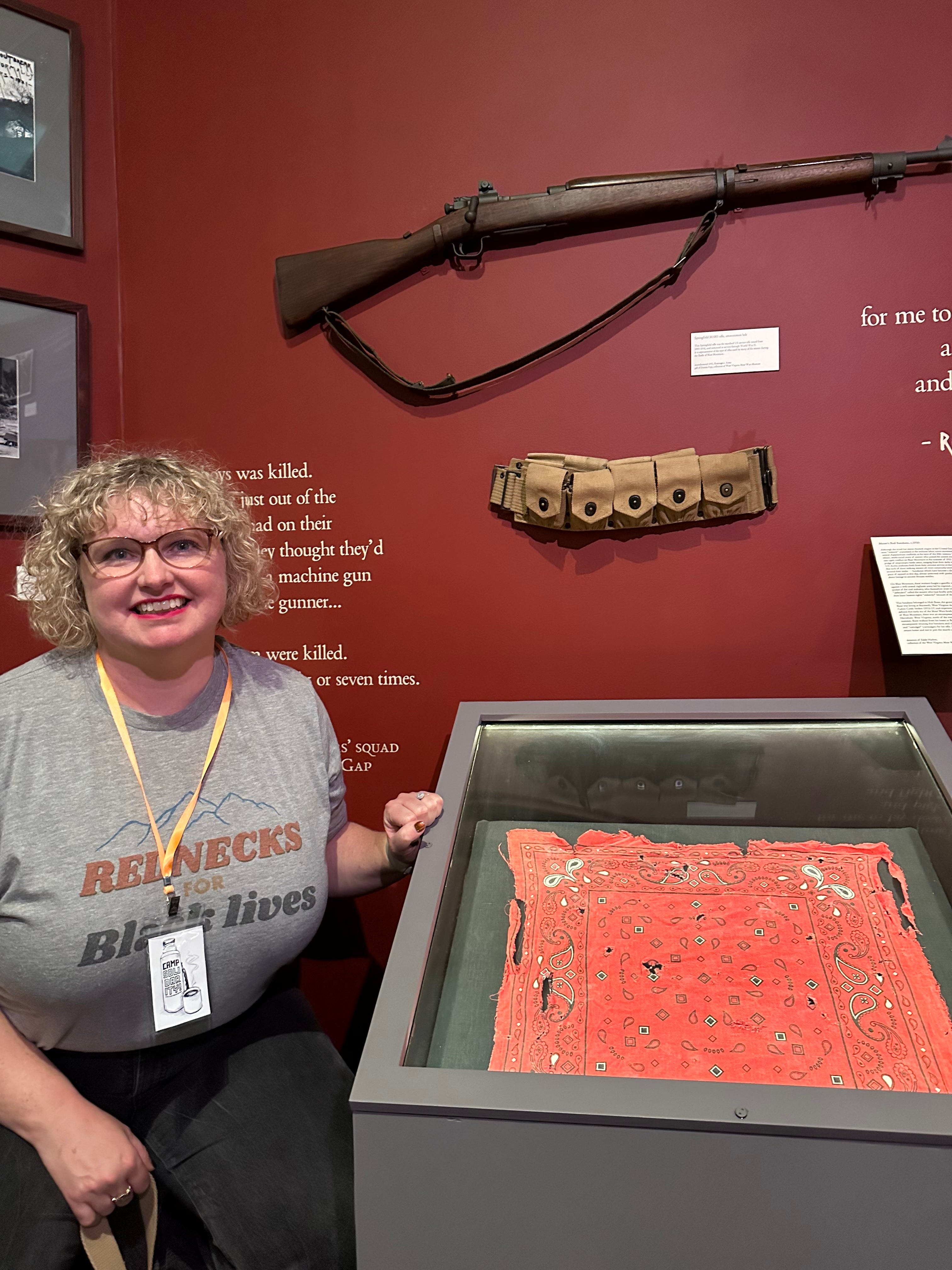
The rest, as they say, is history. In 1921 those miners became the 10,000 strong multiracial “Redneck Army” named after the red bandanas they wore around their necks in the largest labor uprising this country has ever seen.
For us here in Appalachia, as authoritarianism rises and our people’s suffering grows, we must do what our ancestors did and fight like hell for one another. Instead of falling into divisive racist and transphobic traps, we choose solidarity just like our ancestors did: Black, white, and immigrants all standing together, all genders and ages, working through our biases and prejudices, to be in unbreakable solidarity against those who are oppressing us. We put on our red bandanas and fight to protect our neighbors from ICE raids, we fight for trans kids to be cherished and safe like all kids should be, we are proudly against racism and sexism in all forms because we understand there’s no way through without each other. This is how we fight monsters and this is how we win.
In almost every story, it gets darker before the light comes. The monsters grow scarier and more overpowering and the path forward is more unclear than ever before. It will be the same for us. Although it’s hard to imagine, we’re likely in for even harder times than we’re in now. At times, we will doubt ourselves and want to quit. We might not know what to do next or where to turn. The pressure for us white people to join ICE or turn on people of color in exchange for the illusion of safety will ratchet up. The monsters will scream and gnash their teeth and try to back us down or get us to join them, but no matter what happens, I have a plan. Whenever I’m scared or confused, when I don’t know where to turn, I’m going return to one of the first things I learned, one of the first things that comforted me, and I will remind myself of what we must do: “Once upon a time, back in the early 1920s in Matewan, West Virginia, there were a group of coal miners and their families, white, Black, and immigrant, who decided to fight back.”
I will put on my red bandana and get back in the fight because I know that I’m part of a powerful group of everyday people who are about to do something extraordinary together.
I will write with more book updates, including tour dates, soon. In the meantime, please pre-order Song For a Hard-Hit People anywhere you buy books! Check out the special pre-order package through my hometown bookstore CoffeeTree Books to get a red bandanna, some stickers, and the option to become a WV Mine Wars Museum member. Finally, Song For a Hard-Hit People is getting some incredible reviews and blurbs. Check them out here!
Solidarity Forever, Beth
P.S. I’m exploring other places to be besides Substack but it’s a little slow-moving. But I’m looking into it and know it’s getting worse here by the day. Let me know if you have suggestions of good platforms to explore!
It's quickly getting very late out here, Beth. We outnumber them by 2-to-1 and gaining (that's our real edge, IMO), but few people appear to actually feel that way, or to have any idea about how to exploit that advantage. I see March 28th as a good start to this decisive and sure-to-be-hard year. Best wishes.